In this Complete Guide to Studying in the UK for Indian Students 2026, you will find everything that you need to know for studying in one of the world’s most popular destinations for Indian students
This guide has been created to help you understand every step of your UK study journey, from research into courses to the settling-in stage abroad. Studying in the UK continues to be one of the top choices for Indian students due to its globally recognised universities, strong job market, generous post-study work opportunities, and multicultural environment that makes international students feel at home.
Here, you’ll get a clear, updated overview for 2026 covering everything you need to know: course selection, eligibility, application steps, university shortlisting, scholarships, visa requirements, living costs, jobs, and the complete timeline from planning to departure.
Looking for specific information about studying in the UK? Use the table below to access our detailed guides on different aspects of the UK study journey.
1. Why Study in the UK?
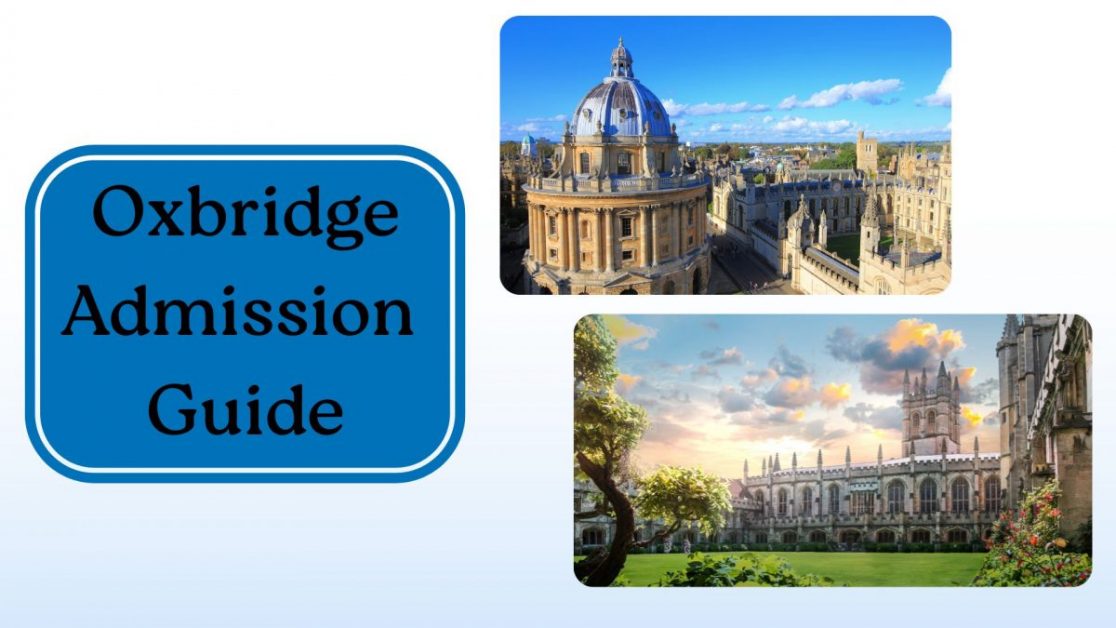
The UK has always been among the most influential study centres in the world, attracting thousands of Indian students annually. Its universities are highly ranked all over the world due to the academic excellence, rigorous research culture and new teaching standards. Colleges like Oxford, Cambridge, Imperial College London and the University of Edinburgh are still defining knowledge in the world, and they remain among the best in the world today. Meanwhile, the UK has a large number of high-performing institutions in England, Scotland, Wales and Northern Ireland, with many appearing in the top 100 and top 200 world rankings.
Indian students are also enjoying the advantage of the highly multicultural environment that the UK has, with its campuses being used to diverse thinking and global views. The cultural and social experience contributes a lot to one’s academic experience, especially considering the cosmopolitan nature of London, or the more affordable and student-friendly Leicester, Liverpool, Nottingham and Coventry. The UK provides an excellent education as well as an effective launchpad into international careers due to good graduate employability rates and the reputation of producing industry-ready professionals.

2. Courses, Intakes and Eligibility
The UK offers tremendous academic flexibility, with thousands of courses in business, engineering, computer science, natural sciences, arts and design, social sciences, health sciences, environmental studies and numerous emerging areas. Students are allowed to take up bachelor’s, master’s and doctorate education that integrates both academic and research with exposure to industry. There are three intakes that the academic year mostly revolves around. The primary and most competitive intake is September, and it has maximum programme availability. A second intake is popular in January, particularly in business, computing and engineering courses of choice. May is smaller and more flexible with fewer subjects at a quicker track to students who are inclined to begin their studies midway.
2.1. Eligibility Basics (Indian Students)
The requirements depend on the level of study, but the basic expectations are the following:
- Undergraduate applicants are usually required to have 13 years of schooling with a recognised Class XII qualification that satisfies the required percentage criteria of the course. Others can be given a foundation year in case they do not meet direct entry requirements.
- Postgraduate applicants will have a corresponding bachelor’s degree with minimum marks- usually 55-60 per cent or even more, depending on the competitiveness of the programme and the ranking of the university. Excellent academic results, experience, and a well-considered Statement of Purpose go a long way toward making applications stronger.
- PhD candidates must have a solid academic background with a bachelor’s and typically a master’s degree, and a thoroughly developed research proposal on most subjects.
- Some postgraduate programmes, especially in business, management, finance, data science, economics, and certain STEM fields, may require or recommend GRE or GMAT scores. While many UK universities have made these tests optional, strong scores can significantly strengthen applications, improve scholarship chances, and compensate for lower academics. Applicants should always check the test policy on the specific university and programme pages.
- The majority of universities will also demand evidence on English proficiency, either in the form of tests like IELTS, TOEFL, or PTE, unless the applicant has a waiver based on recent academic history.
Check Your Eligibility & Start Your IELTS Prep with Career Launcher
Find out if you’re eligible and begin your IELTS preparation journey with expert support from Career Launcher.
3. Complete Application Process (UG + PG)
Most students wishing to study in the UK apply through a systematic process, which varies depending on the academic specifications, with the students completing their profiles early enough.
3.1. Common Steps for UG and PG
- It starts with research and short-listing of possible courses and universities based on programme content, entry requirements, rankings, city conditions, costs, and long-term career results.
- After the shortlist is prepared, applicants have a good time to check on academic requirements, minimum marks, subjects required, English proficiency scores, and other factors like portfolios or research proposals.
- The second step is to assemble the necessary items, such as academic transcripts, certificates, a Statement of Purpose or personal statement, Letters of Recommendation, a passport, a CV (particularly courses at the postgraduate level), and portfolios in creative subjects.
- Applications may then be made, either with UCAS to undergraduate degrees or with university-specific portals to postgraduate courses, and students are then required to keep track of decisions, accept offers, and address conditional offers (such as final results submissions).
- After the offer has been confirmed to the applicant, the subsequent measures consist of finding funding, pursuing scholarships where feasible, accepting the offer in writing, and starting the visa procedure with relevant financial documentation as stipulated by UKVI regulations.
3.2. Undergraduate Applications through UCAS
- Applications by undergraduates are centralised in the UCAS scheme. Students must apply, fill in one online application, select up to five courses, and provide one polished personal statement along with an academic reference.
- The process is controlled by important deadlines: Oxbridge and Medicine programmes have early October deadlines; the main UCAS deadline is 31 January; some Art and Design programmes have March deadlines; and 30 June is the cut-off date before late applicants go to Clearing.
3.3. Postgraduate Applications (Master’s)
- Master’s applications are usually made directly through the online portal of the respective universities. Applicants are required to submit academic documents, a solid Statement of Purpose, recommendations, and a resume which showcases their strengths in academics as well as any professional or project experience.
- Even though most postgraduate programmes will have rolling admissions, it is important to apply early enough to ensure that one gets seats, enhanced scholarship opportunities, and comfortable visa schedules.
4. Checklist of Documents Required
UK admissions and visa applications necessitate an exact list of documents. The precise list of documents depends on individual courses and universities, but usually, the most basic documents are found in most applications.
| Document | Who Needs It | Notes |
|---|---|---|
|
Passport |
All applicants |
Must remain valid throughout the study period; required for both admission and visa. A valid passport is required during the study period, both for admission and a visa. |
| Academic transcripts & certificates | All | Class X & XII for UG; bachelor’s (and master’s if applicable) for PG/PhD. |
| English test scores (IELTS/TOEFL/PTE) | Most students | Waivers exist, but many applicants will need recent, valid scores. |
| SOP / Personal Statement | All | Explains academic motivations, goals, and suitability; UCAS is shifting to a Q&A format from 2025, but PG programs still require essays. |
| Letters of Recommendation | UG + PG | Usually, one or two references on official letterhead. |
| CV / Resume | Mainly PG | Highlights academics, internships, projects, work experience, and skills. |
| Portfolio | Creative fields | Mandatory for design, architecture, art, film, and related specialisations. |
| Research Proposal | Many PhDs | Explains research questions, relevance, methodology, and expected contribution. |
| Financial Proof | All visa applicants | Bank statements or loan letters meeting UKVI maintenance requirements. |
5. Choosing the Right University
The process of choosing the university also includes a combination of theoretical objectives and real-life factors. Students (Indians) are urged to focus on those other than familiar names and look at other areas like quality of teaching, student satisfaction, collaborations with industries, research, and graduate employability. The preference in favour of either a city-based university or a traditional campus setting, or even favouring either England, Scotland, Wales, or Northern Ireland, can also influence the overall student experience and budget.
One useful method is to start with global ranking systems like QS, THE, and Complete University Guide, and their subject-wise rankings, to make an initial longlist. Students are then able to compare course modules, methods of assessment, placements or internship opportunities, industrial partnerships, and professional accreditation. The shortlisting of five to eight realistic options gives the applicant the opportunity to concentrate on the programmes that best fit his/her interests, academic profile, and future targets.
Start Your University Shortlisting with Career Launcher
Get expert guidance to shortlist the right universities based on your profile, goals, and preferences.
6. Scholarship for Indian Students (2026)
The UK has a variety of scholarship programmes, which have greatly lowered the tuition and living expenses of deserving Indian students. These are both prestigious government-funded schemes and very generous university-specific awards. Scholarships are a competitive process, and therefore, good academics, early submissions, and a well-documented profile of a student have high chances of getting the financial aid.
6.1. Major UK-Wide Scholarships
- The GREAT Scholarships offer £10,000+ towards a one-year master’s course in one of the participating universities. Colleges like Anglia Ruskin, Norwich, Queen’s Belfast, Royal College of Art, Royal Conservatoire of Scotland, Royal Northern College of Music, University of Bristol, Trinity Laban, Dundee, Kent, Reading, Surrey, and University of the West of England, among others, have their own subject and deadlines.
- Chevening Scholarships are funded by the UK government, and they fully fund future leaders who have excellent future master’s degree studies. They also finance tuition, living, and travelling, so they are one of the most prestigious.
- Commonwealth Shared Scholarships are available to attain fully funded master’s opportunities in Commonwealth-related development fields for students who are citizens of Commonwealth countries, including India.
- Inlaks Scholarships enable bright Indian graduates in the chosen courses to pay up to about USD 100,000 for the tuition fees, living expenses, travelling insurance, and medical insurance, under academic and age conditions.
6.2. University Scholarships
The universities themselves have their own merit, need and subject-based awards that are provided to undergraduate, postgraduate, and research students. At the University of Reading, there are scholarships available on the undergraduate level at the University of Reading, such as the Global Sustainability Leaders Scholarship and the Reading Excellence Awards, and on the postgraduate level, such as the highly regarded Felix Scholarships offered to Indian students, GIIDAE Empowering Change Scholarships, and business school awards, as well as a range of departmental bursaries.
Other higher education institutions like Bristol, Kent, Dundee, Queen’s Belfast, RCA, RCS, RNCM, and Trinity Laban also offer GREAT India Scholarships, as well as a large number of internal funding schemes that can be used in combination with some external awards.
- Gates Cambridge Scholarship: Postgraduate scholarship opportunities available at the University of Cambridge.
- University of Manchester Global Futures Scholarships: Undergraduate and master’s merit-based scholarships to international students.
- University of Westminster Scholarships: Provides half and full fee waivers in undergraduate and master’s courses.
- University of Bristol Think Big Scholarships: Undergraduate and master’s scholarships.
- Edinburgh Global Research Scholarship: University of Edinburgh postgraduate research.
- Rhodes Scholarships: Scholarships in postgraduate study at the University of Oxford.
6.3. Other Scholarships
- Charles Wallace India Trust Scholarships: Support for students in the arts to study in the UK.
- Scotland’s Saltire Scholarship: Scholarships for postgraduate study in Scotland.
- Clarendon Fund Scholarships: Fully funded scholarships for postgraduate study at the University of Oxford.
7. Visa Process
International applicants seeking to obtain a UK Student visa (Student Route) to undertake a course exceeding six months must make sure they observe these specific steps step by step and do not skip any paperwork and conditions, in order for it to be approved eventually. The application process starts after the applicant has accepted an unconditional offer from a UK university.
Step 1: Unconditional Offer and CAS
- Apply to your preferred university or universities in the UK, and get an unconditional offer. This implies that you have passed the academic entry qualification, and the university is ready to accept you.
- Accept the offer formally by notifying the university.
- You will be given a certificate of acceptance of studies (CAS) by the university, a reference number, and a document which will confirm your place and course. Universities charge a fee of £25 for issuing the CAS.
Step 2: Prepare Your Documents
- Passport: Your valid and up-to-date passport with at least one blank page to put the visa vignette.
- Proof of Funds: You have to demonstrate that you have the financial capacity to finance tuition fees and other living expenses. The UKVI needs to provide evidence of 9 months of living costs (9 months of £1334 if studying in London, £1023 if not in London) and the course fee or year 1 course fee, should they be paid upfront.
- English Language Proficiency: Show evidence according to your university requirement, usually through a Secure English Language Test (SELT) like the IELTS or any other in the B2 level of CEFR, or a degree taught in English.
- TB Test: This is compulsory for applicants from India and other listed countries who intend to remain beyond six months. The certificate should be attached, and the test should be conducted in a certified clinic.
- ATAS Certificate: In certain courses in sensitive technology or science subjects, an Academic Technology Approval Scheme certificate can be obligatory.
- Parental Consent and Birth Certificate: In case you are under 18, you should include written parental consent and your birth certificate.
Step 3: Begin Your Online Visa Application
- Visit the official UK government visa application site (GOV.UK) and open an account so that you can begin your application.
- Complete the application form, giving information like your personal information, passport, CAS number, course information, and financial information.
Step 4: Pay Application Fees
- When asked to, pay the visa application fee of £524 online.
- You will have to pay the Immigration Health Surcharge (IHS) to receive NHS healthcare in the country. This is £776 per full year in the UK. In case of shorter periods, the surcharge is prorated (388 between 1-6 months).
Step 5: Biometrics and Supporting Documents
- Submit scanned copies of documents, where applicable, within the online application.
- Book an appointment at a Visa Application Centre (VAC) to be able to give your biometrics, fingerprints, and photograph.
- Appear at the VAC on the date assigned, and carry your passport, appointment confirming note, and all originals of the documents presented.
Step 6: Visa Decision and Aftercare
- The UKVI handles the majority of student visa applications in a period of three weeks. There are applications that might require more time.
- Upon successful processing, you will be issued with an electronic visa (eVisa) or visa vignette in your passport to visit the UK and a Biometric Residence Permit (BRP), which can be collected within 10 days of your arrival in the UK.
- The best things to bring along when travelling are your CAS and immigration documents.
- Monitor your visa expiry date and adhere to the rules of the UKVI, such as not staying longer than permitted and not violating the conditions of the visa, such as work restrictions.
8. Other Types of Visas
Other than the main UK Student Visa (formerly Tier 4), there are a few other visa routes that are oriented towards certain forms of study. These options will help you decide the right path according to the purpose and length of the course.
8.1. Visitor Route (Short Courses Less than 6 months)
In case you intend to study in the UK and you have a duration of less than six months in a recognised institution, it is possible to come to the UK as a visitor. Numerous nationalities, such as EU citizens, as well as a number of other visa-exempt countries, are allowed into the UK without obtaining a visa to study short term.
Nonetheless, there are students who need to pre-apply for a Standard Visitor Visa. This visa costs 115 pounds and allows you to pursue a short course, training, workshops, or even academic visits. To determine whether you require a visitor visa or not, you can use the visa checker tool of the UK Government.
The same visitor visa may also be required for visitors arriving in the UK to see you as a tourist, friend, or family member. They ought to visit the requirements of the UK visitor visa prior to travelling.
8.2. Short-term Student Route (English Courses Only)
In case you would like to pursue an English language course lasting from 6 to 11 months, then the right path is the Short-term Student Visa. This is a visa that is to study the English language (not for academic or vocational studies) and cannot be renewed or changed to another visa within the UK. When your course is finished, you have to go back to your home country.
8.3 Child Student Route (Ages 4–17)
The Child Student Visa may be applied for by students between the ages of 4 and 17 years who want to attend an independent (private) school in the UK. The applicants have to possess an unconditional offer from a licensed independent school and show appropriate financial and parental consent arrangements.
8.4. Where to Get Help?
Your international office is the most helpful entity to contact in your university for anything related to visas. The majority of the institutions have their own immigration advisers who can guide you in the process of documentation, CAS, and application and answer any questions that you might have along the way.
This elaborate checklist ensures a properly prepared visa application and reduced waiting time or rejection, and a successful beginning of the UK studies. Visa regulations may change, so it is best to refer to the UK government site to be up to date.
9. Cost of Studying in the UK
The UK is a major investment in terms of studying, and knowing the full cost structure enables you to plan your finances without hesitation. The overall cost will be tuition fee, cost of living and visa fees. Although there are no precise estimates according to university, city, and course type, the following estimates will provide an accurate idea of how Indian students tend to spend.
9.1. Tuition Fees in the UK
The biggest portion of your budget is tuition, and the fees are relative to your level of study and the course in question.
| Study Level | Typical Fee Range | Notes |
|---|---|---|
|
Undergraduate (Bachelor’s) |
£11,400 – £38,000 per year |
Humanities and social sciences tend to be on the lower end; Medicine and STEM programmes are at the higher end. |
| Postgraduate Taught (Master’s, 1 year) | £9,000 – £30,000 (total) | One-year Master’s programmes make the UK particularly cost-effective compared to multi-year programmes in other countries. |
| Postgraduate Research (PhD) | £15,000 – £30,000 per year | Fees vary based on lab usage, research intensity, and institutional reputation. |
Tip: Always check your specific university department’s fee page, as fees vary significantly between subjects.
9.2. Living Costs: London vs. Rest of the UK
Your cost of living depends heavily on where you study. London is the most expensive student city, while places like Nottingham, Leeds, Manchester, Leicester, Coventry, and Sheffield are comparatively affordable.
Estimated Monthly Living Expenses:
| Expense Category | London (Approx.) | Rest of UK (Approx.) |
|---|---|---|
|
Accommodation |
£750–£850 |
£550–£700 |
| Utilities & Bills | £140 | £80 |
| Groceries | £155 | £116 |
| Transport | £103 | £54 |
| Social & Personal | £150 | £80 |
| Mobile phone | £18 | £18 |
| Total Monthly Cost | £1,300–£1,400 | £900–£1,300 |
Annual Living Cost:
- London: £15,600–£16,800 per year
- Rest of UK: £10,800–£15,600 per year
Tip: Choosing a city outside London can reduce your yearly budget by £4,000–£6,000.
9.3. Visa & Health-Related Costs
All Indian students applying for a UK Student Visa must pay two mandatory fees:
| Fee Type | Amount | Notes |
|---|---|---|
|
Student Visa Application Fee |
£524 |
Standard fee |
| Immigration Health Surcharge (IHS) | £776 per full year | £388 if the visa covers 1–6 months; £776 for 6–12 months. This gives you full access to the UK’s National Health Service (NHS) |
| Biometrics (if applicable) | Usually included | Depends on the location of the Visa Application Centre |
If your programme is 12 months or slightly longer, your IHS may be charged for 1.5 years (based on how UKVI calculates your visa validity).
9.4. Total Estimated Cost for Indian Students
Here are the typical all-inclusive budgets (tuition + living + visa + IHS):
| Study Scenario | Tuition | Living Cost | Visa + IHS | Total Estimated Cost |
|---|---|---|---|---|
|
Master’s in London (1-Year) (Mid-range) |
£15,000 |
£16,200 |
£1,300 |
£32,500 |
| Master’s Outside London (1-Year) (Budget option) | £9,000 | £13,200 | £1,300 | £23,500 |
| High-end Master’s in London | £30,000 | £16,200 | £1,300 | £47,500 |
| Undergraduate in London (Yearly) | £20,000 | £16,200 | £1,300 | ~£37,500 per year |
| PhD Outside London (Yearly) | £18,000 | £13,200 | £1,300 | ~£32,500 per year |
10. Life in the UK
Life in the UK offers a combination of excellence in academics, cultural diversity, and career opportunities for students from internationally diverse backgrounds. Students get to experience a safe, welcoming, and multicultural environment within bustling cities such as London and Manchester. For those who prefer a quieter and more affordable environment, student hubs like Coventry, Leicester, and Sheffield are better options.
The UK is known for its efficient public transport, quality healthcare provided through the NHS, active student unions, part-time job opportunities, and a great professional ecosystem for internships and graduate roles. Students have easy access to libraries, museums, art galleries, parks, sports centres, and global cuisines.
The country also offers a supportive academic environment: small group teaching, access to world-class research facilities, industry-linked coursework, and regular career fairs. With the Graduate Visa allowing students to stay back and work after finishing their degree and the Skilled Worker Visa offering a route to long-term employment and settlement, the UK remains one of the most attractive destinations for Indian students looking to build a global career.
11. Jobs & PSW
The UK has one of the best job markets for international students, providing clear pathways to work while studying, obtaining post-study work rights through the Graduate Visa, and further moving into long-term employment through routes such as the Skilled Worker visa. One can work part-time while studying, take up placements or internships during the course, and explore full-time opportunities after graduation in the fields of IT, engineering, finance, business, healthcare, and many more.
The UK’s post-study work ecosystem is designed to help graduates make the transition from university to professional life with the provision of:
- Part-time jobs while studying (up to 20 hours/week)
- Internship & Industrial Placements
- Graduate-level full-time jobs with competitive salaries
- A clear visa pathway: Graduate Visa → Skilled Worker Visa → ILR (settlement)
Below is an overview of the Graduate Visa, Skilled Worker Visa, and part-time/full-time job dataset to help students understand their career prospects in the UK.
11.1. Graduate Visa (Post-Study Work Visa)
| Category | Details |
|---|---|
|
Purpose |
Allows graduates to stay in the UK to work, look for jobs, or gain experience after completing an eligible course |
| Eligibility |
|
| Duration |
|
| Eligible Courses | Bachelor’s, Master’s, PhD, LPC, Bar Practice Course, law conversion courses, PGCE/PGDE, or other regulated professional qualifications |
| Study Requirement |
|
| Costs | £880 application fee + IHS (£1,152.50 for 18 months, £2,070 for 2 years, £3,105 for 3 years) |
| Documents Needed | Passport, CAS number, BRP/eVisa, dependent documents, sponsor letters (if funded), translations (if needed) |
| Application Process | Apply online before the student visa expires → identity check (UKVI app/UKVCAS) → upload documents → wait 8 weeks → visa decision |
| Dependents | Dependents allowed only if they were dependents on a Student visa; visa validity matches the main applicant |
| What You Can Do | Work in most jobs, be self-employed, look for work, volunteer, travel freely |
| Restrictions | Cannot access public funds, work as a professional sportsperson, or study a Student-visa-eligible course |
| Extension | Cannot extend; can switch to Skilled Worker or other visas |
11.2. Skilled Worker Visa
| Category | Details |
|---|---|
| Purpose | Long-term work visa for those with a job offer from a licensed UK employer; pathway to settlement (ILR) |
| Eligibility | Job offer from Home Office-approved sponsor; Certificate of Sponsorship (CoS); job on the eligible occupation list; minimum salary met; English requirement |
| Application Location | Can apply from inside the UK (switching from a Graduate/Student visa) or outside the UK |
| Duration | Granted up to 5 years per application; can be extended indefinitely |
| Settlement | Eligible for Indefinite Leave to Remain (ILR) after 5 years |
| Processing Time | 3 weeks (outside UK) or 8 weeks (inside UK); priority options available |
| Costs | Visa fee + Immigration Health Surcharge (IHS) + proof of maintenance funds. Healthcare workers may qualify for a cheaper Health & Care Worker Visa (IHS-exempt) |
| Dependents | Allowed (partner + children); must provide identity and proof of relationship; dependents’ visas end when yours ends |
| What You Can Do | Work in a sponsored job, pursue study, bring dependents, take limited extra work, travel freely, and apply for ILR |
| Restrictions | No access to public funds; cannot change employer or role without updating visa |
| Best For | Graduates with confirmed job offers, long-term UK career plans, or those seeking UK settlement |
11.3. Graduate Job Salaries in the UK (2024–25)
| Average Graduate Salaries in the UK | ||
|---|---|---|
| Job Category | Job Role | Average Salary Range |
|
Business & Management |
Business Analyst |
£28,000–£35,000 |
| Marketing Executive | £25,000–£32,000 | |
| HR Assistant | £24,000–£30,000 | |
| Sales Executive | £26,000–£35,000 | |
| IT & Computer Science | Software Developer | £30,000–£40,000 |
| Data Analyst | £28,000–£38,000 | |
| Cybersecurity Analyst | £32,000–£45,000 | |
| IT Support Engineer | £24,000–£30,000 | |
| Engineering | Mechanical Engineer | £28,000–£38,000 |
| Civil Engineer | £30,000–£40,000 | |
| Electrical Engineer | £30,000–£42,000 | |
| Chemical Engineer | £32,000–£45,000 | |
| Finance | Graduate Accountant | £26,000–£32,000 |
| Financial Analyst | £30,000–£40,000 | |
| Banking Associate | £28,000–£38,000 | |
| Healthcare | Healthcare Assistant | £22,000–£26,000 |
| Biomedical Scientist | £27,000–£35,000 | |
| NHS Nurse (Band 5) | £28,407–£34,000 | |
| Creative, Media & Design | Graphic Designer | £22,000–£30,000 |
| Digital Content Executive | £24,000–£32,000 | |
| UX/UI Designer | £28,000–£38,000 | |
12. Step-By-Step Journey from Day 1 to Departure
| Phase | Timeline | What Happens | Detailed Description |
|---|---|---|---|
|
Phase 1: Research & University Applications |
12–15+ months before departure |
Define goals and shortlist options |
The student identifies career goals, preferred courses, budget range, and ideal study locations, and then compares universities based on rankings, course outcomes, faculty, and student support. |
| Check entry requirements | The student reviews academic eligibility, subject-specific requirements, English language standards, and any additional prerequisites required by the chosen universities. | ||
| English proficiency tests | The student prepares for and takes IELTS, PTE, TOEFL, or any university-accepted English test to meet required score thresholds. | ||
| Prepare application documents | The student creates essential documents, including a Statement of Purpose (SOP), Letters of Recommendation (LORs), academic transcripts, certificates, a CV/Resume, and a valid passport. | ||
| Submit applications | The student applies to shortlisted universities through online portals or UCAS, pays application fees, tracks deadlines, and ensures all documents are uploaded correctly. | ||
| Phase 2: Offer Stage & CAS Issuance | 6–8 months before departure | Receive conditional or unconditional offers | The student receives offer letters from universities, carefully reviews the terms, and selects the preferred institution. Conditional offers may require additional documents or test scores. |
| Pay the tuition fee deposit. | The student confirms acceptance and pays the initial tuition fee deposit to secure the seat at the chosen university. | ||
| Receive the CAS (Confirmation of Acceptance for Studies) | Once all offer conditions are met and the deposit is paid, the university issues the CAS, which is required for the UK Student Visa application. | ||
| Phase 3: Financial Preparation & Visa Application | 3–6 months before departure | Financial preparations | The student arranges proof of funds, ensures that the required amount is maintained for 28 consecutive days, and gathers loan approval letters, scholarship documents, or sponsorship letters. |
| Apply for a Student Visa | The student submits the online UK Student Visa application, uploads documents, pays visa fees and the Immigration Health Surcharge (IHS), and books the biometrics appointment. | ||
| TB test & Biometrics | The student attends the tuberculosis (TB) screening (if applicable), completes biometrics at the Visa Application Centre, and submits the required documents. | ||
| Visa decision | The visa application is processed, and the student typically receives a decision within approximately three weeks under standard processing. | ||
| Phase 4: Pre-Departure Preparation | 1 month before departure | Book accommodation and flights | After visa approval, the student finalises on-campus or private accommodation, signs tenancy agreements, and books flights for travel to the UK within the allowed entry period. |
| Organise documents | The student compiles essential documents, including a passport, a CAS letter, a visa confirmation, academic records, financial proofs, accommodation letters, and travel insurance. | ||
| Packing essentials | The student packs weather-appropriate clothing, medicines with prescriptions, electronic adapters, daily necessities, and copies of important documents. | ||
| Health and pre-arrival tasks | The student obtains required vaccinations or medical certificates, subscribes to international SIM or roaming plans, and attends university or agency pre-departure sessions. | ||
| Phase 5: Arrival in the UK | Day of arrival & first week | Immigration & eVisa collection | The student presents documents at UK border control, completes entry formalities, and receives access to their eVisa (or collects BRP if applicable). |
| Travel to the accommodation | The student travels to their booked accommodation using university pickup, public transport, or pre-booked taxis. | ||
| Initial setup & registrations | The student contacts family, registers with a general practitioner (NHS doctor), opens a UK bank account, collects student ID, and attends university enrolment sessions. | ||
| Begin the course | The student participates in orientation week, joins induction sessions, understands academic expectations, and officially begins university life in the UK. |
13. Conclusion
The UK is home to some of the best educational opportunities in the world, with a wide range of international exposure as well as many future career options. The Complete Guide to Studying in the UK for Indian Students (2026) provides you with the knowledge and tools necessary to be prepared as you begin this journey, from course selection & university selection to preparing for your visa application, managing your finances, and acclimatising to life abroad; every aspect contributes to helping you reach your full potential.
This guide will allow you to better plan for your studies in the UK so that you can maximise your time and energy and focus on creating a path for yourself that will lead to future success.
Don’t allow barriers to be placed between you and your dreams. You have the power to decide your future and to turn your dreams of studying in the UK into reality.
To assist you in beginning your journey, Career Launcher provides you with expert mentors who are available to assist you with every aspect of the study abroad process, including finding a university, securing scholarships, and completing the visa application process.
Kickstart Your UK Study Journey with Career Launcher
Get end-to-end guidance for studying in the UK, from university shortlisting to applications and visas.