Overview
Singapore is one of Asia's most compelling study destinations, and its reputation continues to grow. Home to two of the world's top 15 universities, a world-class research ecosystem, and one of the most dynamic economies in Asia, Singapore punches well above its weight in global higher education. Singapore ranks 15th globally and first in Southeast Asia in the QS Best Student Cities 2025, reflecting its appeal across academic quality, employer activity, safety, and student experience.
With all programmes taught in English, a strategic location at the heart of Asia, strong scholarship support for international students, and a post-study work environment rich with opportunity, Singapore offers Indian students a world-class education in a safe, modern, and globally connected city.
Study in Singapore
Singapore's higher education system is built on a foundation of academic rigour, research excellence, and deep industry integration. The country's six autonomous universities offer a wide range of programmes across engineering, business, technology, life sciences, law, and the arts, all taught in English and benchmarked against the world's best. NUS clinched 8th position worldwide and retained its spot at the third position in Asia in QS World University Rankings 2026, while NTU Singapore is placed 12th globally in the same rankings, up from 15th the previous year, making Singapore one of only a handful of countries with two universities in the global top 15. The country's emphasis on research, innovation, and industry collaboration means students graduate with both strong academic credentials and real-world exposure. Add a well-defined post-study work pathway, a thriving startup and technology ecosystem, and proximity to India, and Singapore becomes a genuinely smart investment in your academic and professional future
Top 5 benefits of
Studying in Singapore
Singapore is home to two of the best universities in the world. NUS ranks 8th globally and is in the top 5 universities in Asia in the QS World University Rankings 2026, while NTU Singapore ranks 12th globally. A degree from either institution carries exceptional weight with employers and graduate admissions offices around the world, giving you a credential that opens doors in virtually every industry and country.
All degree programmes at Singapore's universities are taught entirely in English, making the academic transition straightforward for Indian students. At the same time, Singapore's position at the heart of Southeast Asia gives you unparalleled access to some of the world's fastest-growing economies, making it an ideal base for students who want a global education with an Asian edge.
Singapore is the regional headquarters of hundreds of global companies across technology, finance, pharmaceuticals, logistics, and consulting. This concentration of multinational employers creates exceptional opportunities for internships, industry projects, and graduate employment. NUS graduates secured employment within six months of completing their final examinations, with full-time permanent employment rates ranging from 84% to 92%, reflecting the strength of the employment outcomes Singapore's universities consistently deliver.
The Singapore government and its universities offer a range of merit-based scholarships specifically available to Indian students, including the prestigious Singapore Government Scholarship and university-level awards at NUS, NTU, and SMU. These scholarships can cover full tuition fees and living expenses, making Singapore significantly more accessible than its headline tuition fees suggest.
Singapore is consistently ranked among the safest cities in the world, with a clean, modern, and highly efficient urban environment that makes daily life straightforward and comfortable. Singapore excelled in the student perspective category, securing 11th place globally and topping all Asian cities in the QS Best Student Cities rankings, reflecting the genuine satisfaction of the international student community. Its central location in Asia also makes it easy to travel to India, Malaysia, Thailand, and the rest of the region during holidays.

Top Universities in Singapore
Singapore’s higher education system is built on seven government-funded autonomous universities, with the exception of the University of the Arts Singapore. Each university has a distinct academic focus and a strong global reputation. Unlike most other study destinations, Singapore does not have a significant private university sector for undergraduate education, meaning the vast majority of international students study at one of the country's world-class public institutions.
- 6 autonomous public universities
- All programmes taught in English
- Two universities ranked in the global top 15 by QS
- Singapore has 42 academic offerings ranked in the global top 10, the third highest globally behind only the US and UK
| QS World University Rankings 2026 | University | Location |
| 8 | National University of Singapore (NUS) | Kent Ridge |
| 12 | Nanyang Technological University, Singapore (NTU Singapore) | Jurong West |
| =511 | Singapore Management University (SMU) | City Campus |
| =519 | Singapore University of Technology and Design (SUTD) | Changi |
| - | Singapore Institute of Technology (SIT) | Various |
| - | Singapore University of Social Sciences (SUSS) | Clementi |
Best Areas to Study in Singapore
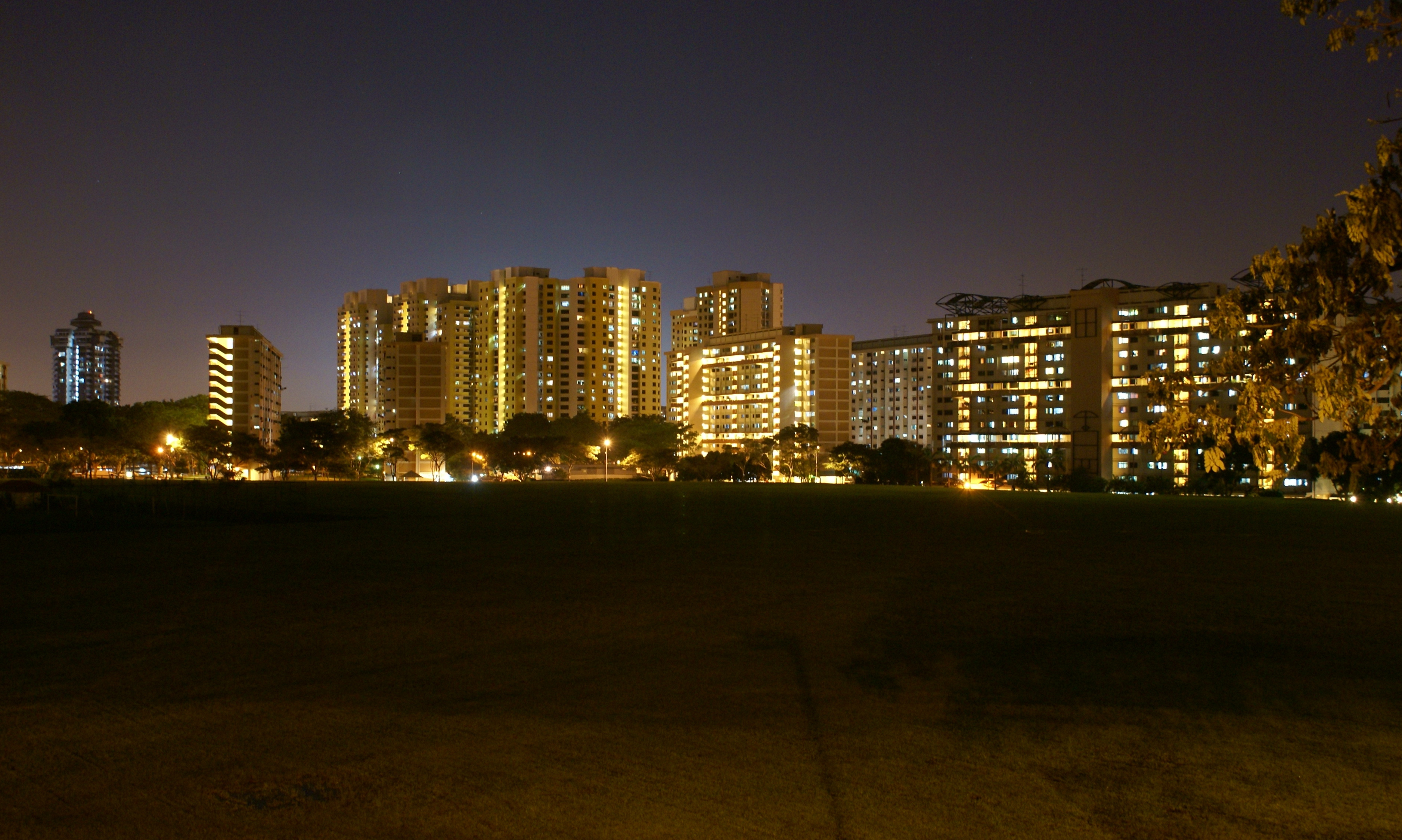
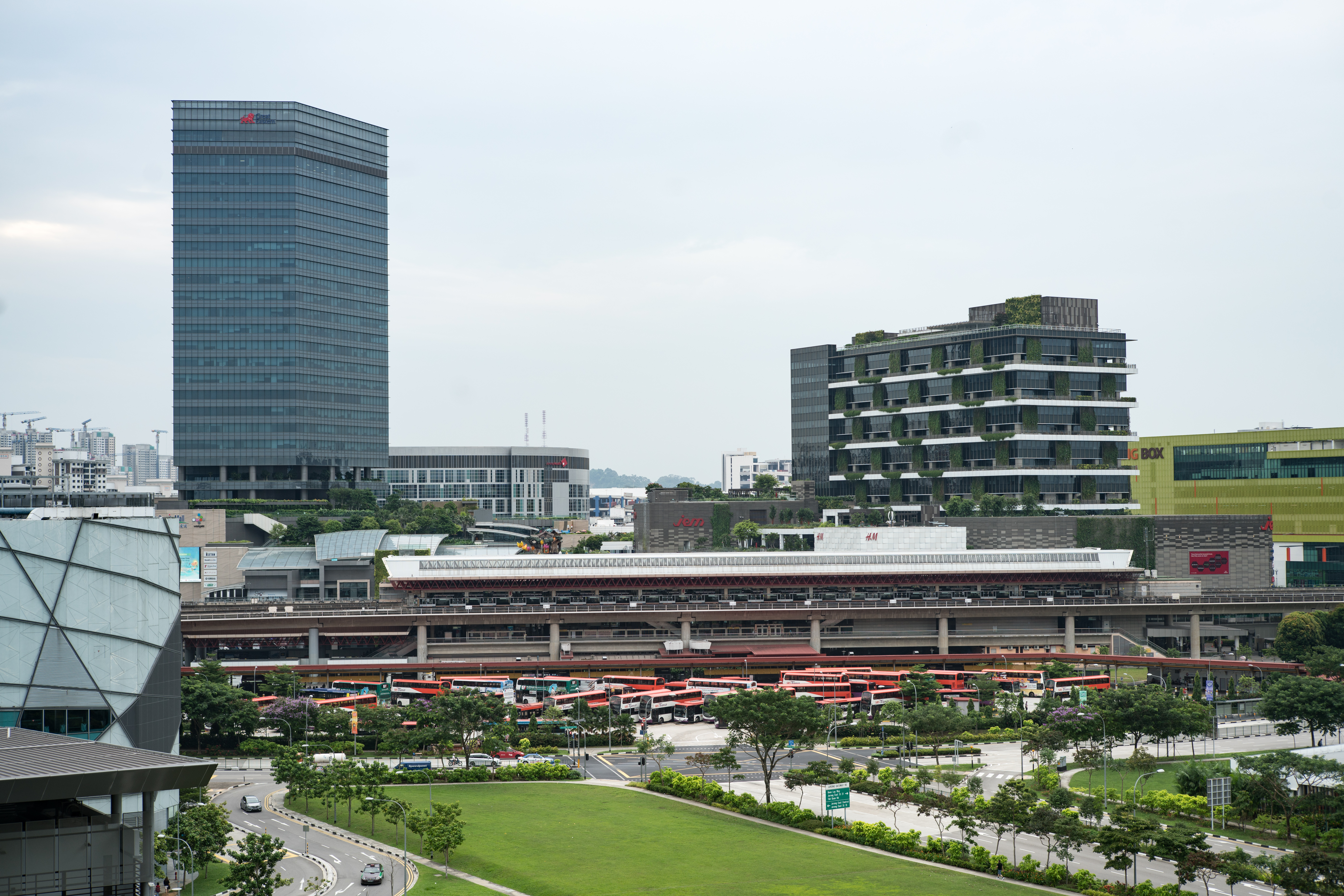
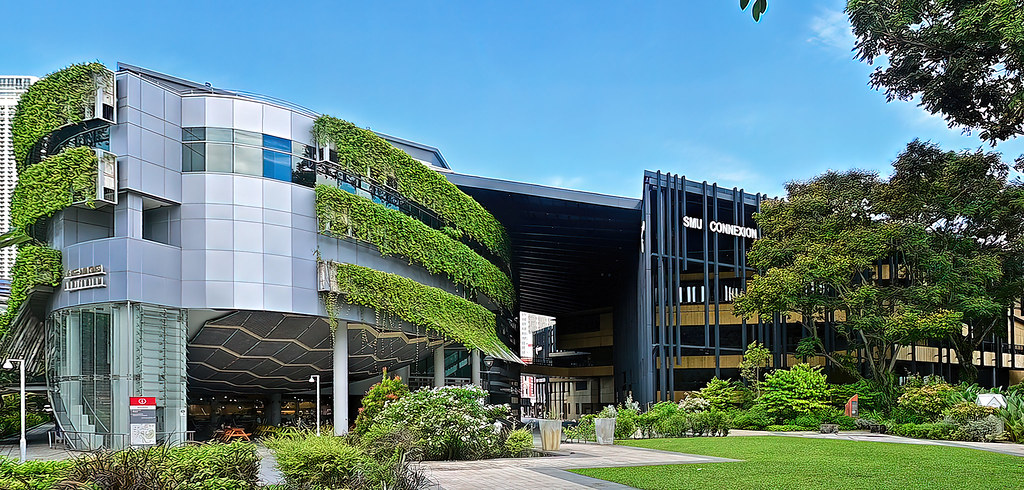
Singapore is a city-state, meaning the entire country is effectively one city. Unlike destinations such as Germany or France, where choosing the right city is a major decision, in Singapore, your choice comes down to which area or neighbourhood best suits your lifestyle, budget, and proximity to your university. The good news is that Singapore's public transport system is world-class, meaning virtually every part of the island is well-connected and accessible.
Kent Ridge / Clementi
Jurong East / Boon Lay
City Campus / Bugis / Bras Basah
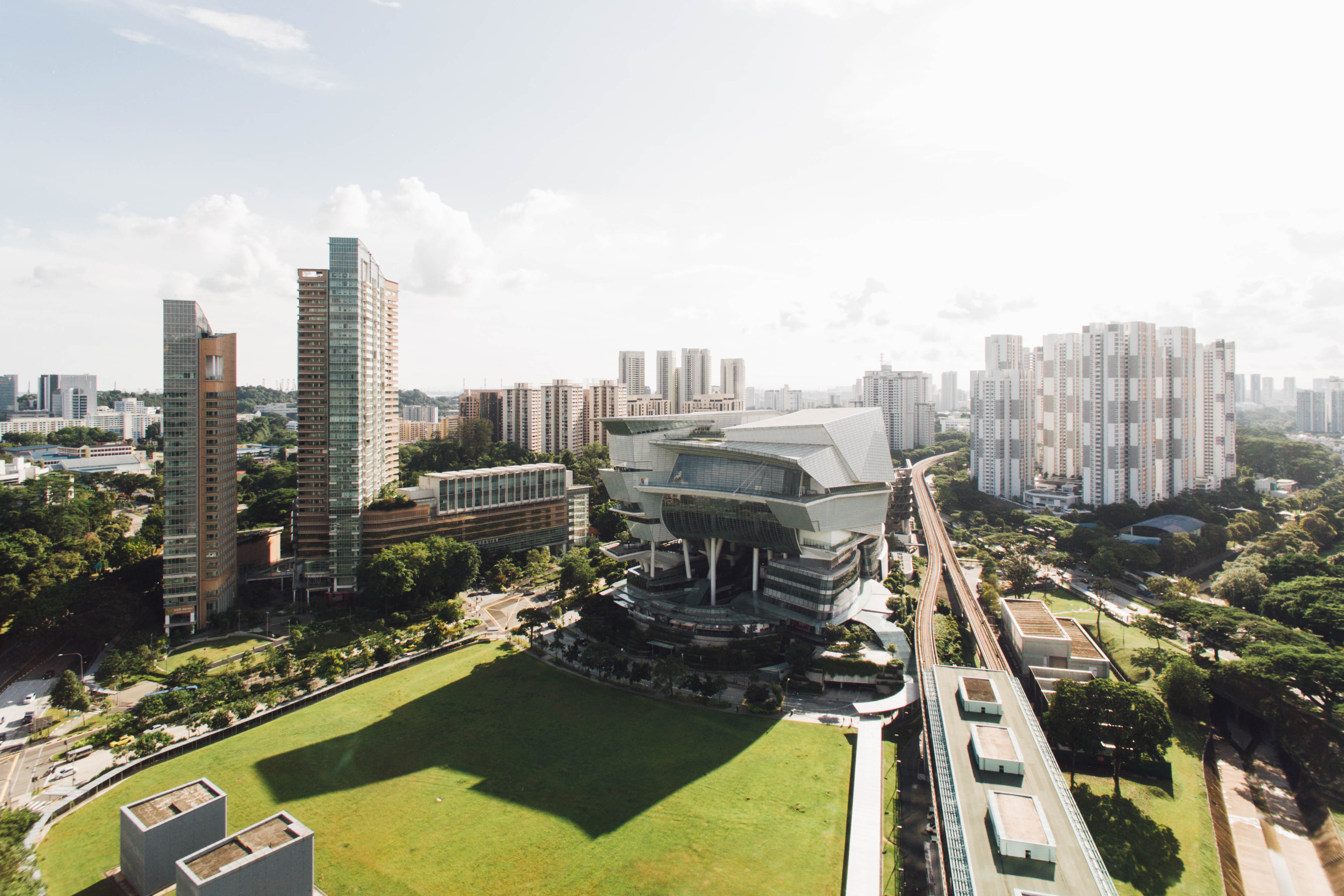
Queenstown / Buona Vista
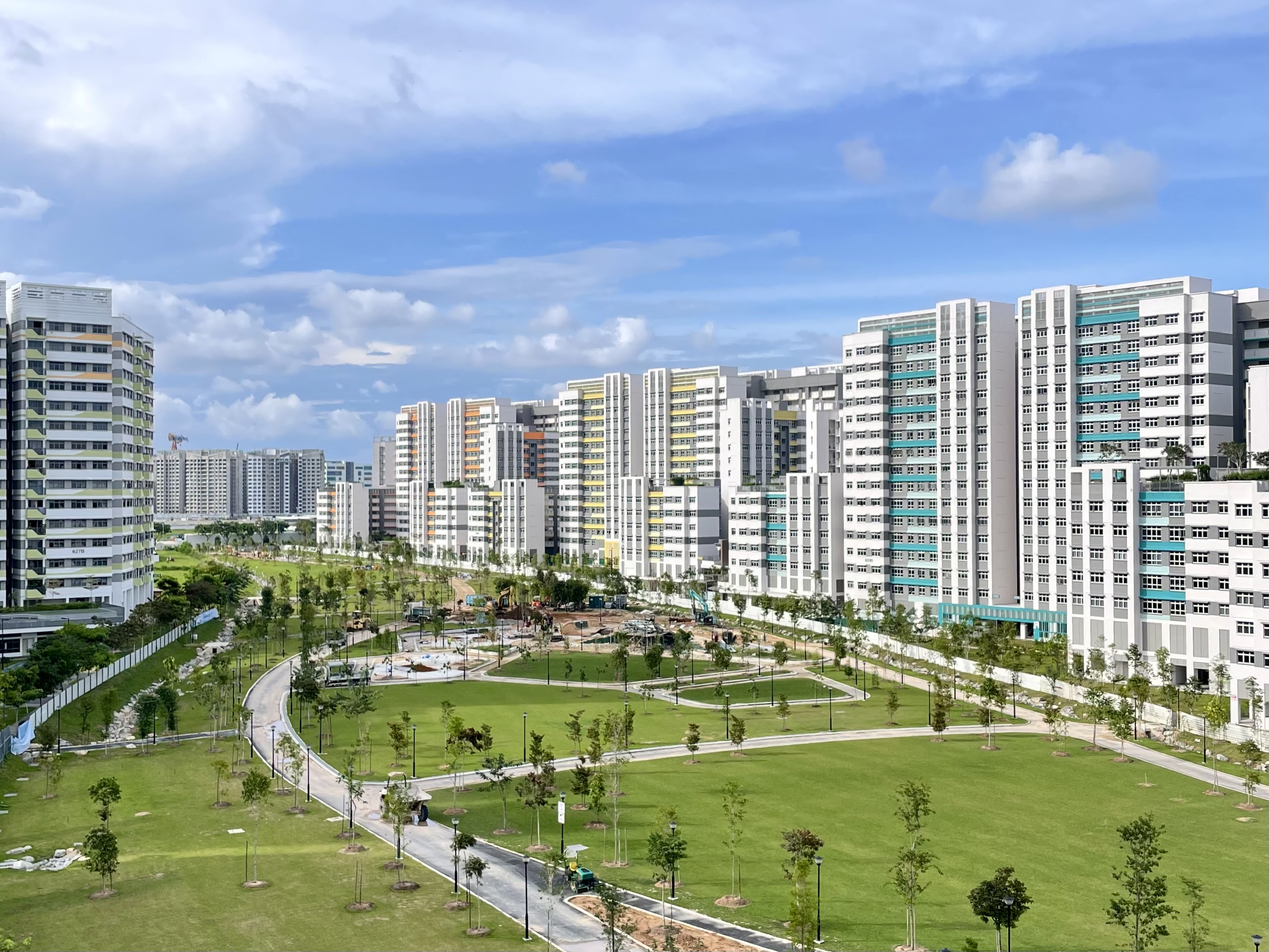
Tampines / Pasir Ris (East Singapore)
Types of Programmes in Singapore

Bachelor's Degree

Master's Degree

MBA Programmes

Doctoral Degree (PhD)

Polytechnic Diplomas & Foundation Programmes

Courses to Study in Singapore
 Computer Science / Information Systems
Average Tuition Fees (SGD) Per Year: SGD 17,550 - SGD 22,050 (public) / SGD 15,000 - SGD 30,000 (private)
 Engineering (Mechanical / Civil / Electrical)
Average Tuition Fees (SGD) Per Year: SGD 17,550 - SGD 22,050 (public) / SGD 15,000 - SGD 28,000 (private)
 Business Administration
Average Tuition Fees (SGD) Per Year: SGD 15,450 - SGD 20,250 (public) / SGD 12,000 - SGD 25,000 (private)
 Medicine & Dentistry
Average Tuition Fees (SGD) Per Year: SGD 60,000 - SGD 84,000 (public)
.jpg) Law
Law
Average Tuition Fees (SGD) Per Year: SGD 30,000 - SGD 45,000 (public)
 Data Science / AI
Average Tuition Fees (SGD) Per Year: SGD 17,550 - SGD 22,050 (public) / SGD 15,000 - SGD 28,000 (private)
Note: Fees shown are for international students without the MOE Tuition Grant. International students who accept the MOE Tuition Grant pay significantly reduced fees but are required to work in Singapore for 3 years after graduation.
 MSc Computer Science / Artificial Intelligence
Average Tuition Fees (SGD) Per Year: SGD 20,000 - SGD 35,000
 MBA
MBA
Average Tuition Fees (SGD) Per Year: SGD 70,000 - SGD 90,000 (full programme)
MSc Data Science
Average Tuition Fees (SGD) Per Year: SGD 20,000 - SGD 35,000
 MSc Engineering
Average Tuition Fees (SGD) Per Year: SGD 18,000 - SGD 30,000
 MSc Finance / FinTech
Average Tuition Fees (SGD) Per Year: SGD 20,000 - SGD 38,000
 MSc Biomedical Sciences
Average Tuition Fees (SGD) Per Year: SGD 20,000 - SGD 35,000
PhD in Engineering / Technology
Average Tuition Fees (SGD) Per Year: SGD 10,000 - SGD 20,000
 PhD in Computer Science / AI
Average Tuition Fees (SGD) Per Year: SGD 10,000 - SGD 20,000
 PhD in Business / Management
Average Tuition Fees (SGD) Per Year: SGD 10,000 - SGD 20,000
 PhD in Natural / Life Sciences
Average Tuition Fees (SGD) Per Year: SGD 10,000 - SGD 20,000
 PhD in Medicine / Biomedical Sciences
Average Tuition Fees (SGD) Per Year: SGD 12,000 - SGD 22,000
 PhD in Social Sciences / Humanities
Average Tuition Fees (SGD) Per Year: SGD 10,000 - SGD 18,000
Note: Many PhD students in Singapore are fully funded through university or government scholarships covering tuition fees and providing a monthly stipend. Always check scholarship availability when applying for doctoral programmes.
Grading System in Singapore
Convert your percentage into grades
Singapore's universities use a Grade Point Average (GPA) system to measure academic performance, broadly similar to the American higher education model but with important institutional variations. Most autonomous universities including NUS, NTU, SIT, and SUSS use a 5.0-point GPA scale, SUTD uses a slightly modified 5.3-point scale, and SMU uses a 4.3-point scale modelled on the US system.
Here is a consolidated view of how letter grades map to grade points across Singapore's universities, along with their approximate Indian percentage equivalents:
| Letter Grade | NUS / NTU / SUSS / SIT (5.0 Scale) | SUTD (5.3 Scale) | SMU (4.3 Scale) | Equivalent Indian Percentage |
| A+ | 5.0 | 5.3 | 4.3 | 80% and above |
| A | 5.0 | 5.0 | 4.0 | 75% - 79% |
| A- | 4.5 | 4.5 | 3.7 | 70% - 74% |
| B+ | 4.0 | 4.0 | 3.3 | 65% - 69% |
| B | 3.5 | 3.5 | 3.0 | 60% - 64% |
| B- | 3.0 | 3.0 | 2.7 | 55% - 59% |
| C+ | 2.5 | 2.5 | 2.3 | 50% - 54% |
| C | 2.0 | 2.0 | 2.0 | 45% - 49% |
| D+ | 1.5 | 1.5 | 1.3 | 40% - 44% |
| D | 1.0 | 1.0 | 1.0 | 33% - 39% |
| F | 0 | 0 | 0 | Below 33% |
How to Convert Your Indian CGPA to Singapore GPA
If you are applying to a Singapore university and need to convert your Indian CGPA to the Singapore GPA scale, use the following formula:
Singapore GPA (4.0 Scale) = (Indian CGPA ÷ 10) × 4
For example, if your Indian CGPA is 8.3 out of 10: 8.3 ÷ 10 × 4 = 3.32 GPA
Intakes in Singapore

August Intake
The August intake is the primary and most popular intake in Singapore and the one that the vast majority of international students plan around. It marks the start of the academic year and offers the broadest selection of programmes across all levels of study at all six autonomous universities. Applications for the August intake typically open from October of the preceding year and close between February and March, giving students ample time to prepare their documents after completing their previous degree.
January Intake
The January intake is a smaller but increasingly popular option for students who missed the August deadline or need more time to strengthen their application. It is more commonly available for postgraduate programmes and at institutions such as SIT and SUSS, while NUS and NTU offer it selectively for certain graduate courses. Applications for the January intake typically open from June and close around September of the preceding year.
Costing in Singapore
Cost of Living
Singapore is one of the more expensive study destinations in Asia, and careful financial planning before arrival is essential. That said, the city offers a range of affordable options for students, from subsidised on-campus housing to hawker centre meals that cost as little as SGD 3 to SGD 5. Students should budget a minimum of SGD 19,500 per year for living expenses in Singapore. As a general monthly guide, students should plan for the following:
| Monthly Expenditure | Estimated Cost Per Month |
| Accommodation (On-Campus / Shared Room) | SGD 700 - SGD 1,800 |
| Food & Meals | SGD 300 - SGD 800 |
| Local Transport (MRT / Bus) | SGD 80 - SGD 200 |
| Mobile & Internet | SGD 50 - SGD 100 |
| Study Materials (books, printing, etc.) | SGD 50 - SGD 100 |
| Personal & Miscellaneous | SGD 200 - SGD 350 |
| Total | SGD 1,380 - SGD 3,350 / INR 1L - 2.5L |
Cost of Studying in Singapore
Singapore's public universities charge tuition fees for international students, but these are significantly subsidised compared to equivalent programmes in the US, UK, or Australia. International students may also apply for the MOE Tuition Grant, a government subsidy that substantially reduces tuition fees for selected full-time diplomas and undergraduate courses in exchange for a commitment to work in Singapore for three years after graduation. Professional programmes such as medicine, dentistry, and law sit at the higher end of the fee range.
| Programme Level | Public Universities (with MOE Grant) | Public Universities (without MOE Grant) |
| Undergraduate | SGD 17,550 - SGD 45,000/year | SGD 32,000 - SGD 84,000/year |
| Postgraduate (MSc / MA) | SGD 18,000 - SGD 38,000/year | SGD 25,000 - SGD 50,000/year |
| MBA | SGD 70,000 - SGD 90,000 (full programme) | SGD 70,000 - SGD 90,000 (full programme) |
| Doctoral (PhD) | SGD 10,000 - SGD 22,000/year | Varies; many are fully funded |
Note: Fees shown are for international students. The MOE Tuition Grant is available to eligible international students who commit to working in Singapore for 3 years post-graduation. Medicine, dentistry, and law programmes have significantly higher fees. Always verify exact fees with your chosen university before applying.
Documents Required for University Applications in Singapore
Applying to a university in Singapore requires careful preparation of your documents well in advance. Unlike some universities, there is no centralised application portal in Singapore, meaning each university has its own online application system.
It is important to ensure all documents not originally in English are officially translated before submission. Indian students should note that original documents will be required upon enrolment, so keeping certified copies of all certificates is strongly advised.
| Document | Details |
| Valid Passport | Must be valid for the entire duration of your studies. Include a copy of the biometric/photo page. |
| Passport-Sized Photographs | Recent photographs as per the specifications of the university. |
| Completed Application Form | Submitted via each university's own online portal. Application fees typically range from SGD 10 to SGD 20 for international applicants. |
| Academic Certificates & Transcripts | Certified copies of your Class 10 and Class 12 certificates for Bachelor's applications, or your Bachelor's degree and full transcripts for Master's applications. Must be in English or officially translated. |
| Statement of Purpose (SOP) | A written statement explaining your motivation for choosing the programme, your academic background, and your career goals. Required for most postgraduate programmes. |
| Letters of Recommendation (LOR) | Typically 2 academic or professional references depending on the programme requirements. |
| Curriculum Vitae (CV) | Required for postgraduate and doctoral applications. A detailed resume outlining your education, work experience, and achievements. |
| Proof of English Language Proficiency | IELTS, TOEFL, or PTE Academic scores. Students who have completed previous education entirely in English may be exempt at select institutions. |
| Proof of Financial Resources | Evidence of sufficient funds to cover tuition fees and living expenses. A minimum of SGD 8,400 for one year of living expenses is typically required. |
| Standardised Test Scores (if applicable) | SAT or ACT for undergraduate applicants at select universities. GRE or GMAT for postgraduate and MBA applicants depending on the programme. |
| Portfolio (if applicable) | Required for programmes in arts, design, architecture, or media. |
| Work Experience Evidence (if applicable) | MBA programmes at NUS, NTU, and SMU typically require 2 to 3 years of relevant professional experience. |
Note: Always verify the specific document requirements with your chosen university's admissions office, as requirements can vary by programme and institution.
Exam Requirement for Admission in Singapore
Getting into a Singapore university as an international student requires clearing the right set of exams depending on your chosen programme and level of study. Since all programmes are taught in English, demonstrating English proficiency is a standard requirement. For undergraduate programmes, some universities may additionally require SAT scores. For postgraduates and MBA programmes, GMAT or GRE scores are commonly required.
| Exam | Type | Who Needs It | Minimum Score / Requirement |
| IELTS Academic | English Language Proficiency | Applicants to all programmes | Overall band score of 6.0 - 7.0 depending on the programme and institution |
| TOEFL iBT | English Language Proficiency | Applicants to all programmes | Typically 80 - 100+ (varies by university) |
| PTE Academic | English Language Proficiency | Applicants to all programmes | Accepted as an alternative to IELTS/TOEFL at many universities |
| Duolingo English Test | English Language Proficiency | Applicants to all programmes | Accepted at select universities as an alternative English proficiency test |
| SAT | Aptitude Test | Undergraduate applicants at select universities including NUS and SMU | Varies by institution; typically 1200+ for competitive programmes |
| ACT | Aptitude Test | Undergraduate applicants at select universities | Accepted as an alternative to SAT at some institutions |
| GRE | Aptitude Test | Postgraduate applicants in Engineering, Sciences, and competitive specialised programmes | Typically 300+ (varies by university and programme) |
| GMAT | Aptitude Test | Applicants to MBA and business/management programmes | Average requirement at NUS and NTU is 615 or higher |
Note: English proficiency test requirements may be waived for students whose previous degree was completed entirely in English. Always verify the specific requirements with your chosen institution before registering for any exam.
Student Life in Singapore
Singapore offers international students a rich and rewarding experience that extends well beyond the lecture hall. From world-class cultural institutions and a vibrant social scene to affordable student perks and a safe environment, life as a student in Singapore is as enriching as it is memorable.
Accommodation
Transport
Social Life & Campus Culture
Safety
Work Opportunities/Placements in Singapore

Fund your Education with Scholarships in Singapore
Singapore's government and universities offer some of the most generous and well-structured scholarship programmes in Asia. While tuition fees at public universities are higher than in parts of Europe, the right scholarship can significantly reduce or fully eliminate this cost, making Singapore accessible for academically strong Indian students.

Singapore International Graduate Award (SINGA)

NUS Undergraduate Scholarship for Non-ASEAN International Students

NTU Tuition Fee Scholarship

Dr Goh Keng Swee Scholarship

Nanyang President's Graduate Scholarship (NPGS)

MOE Tuition Grant
Step-by-step Guide to
Apply for Student Visa in Singapore
In Singapore, the student visa is officially called a Student's Pass and is issued by the Immigration & Checkpoints Authority (ICA). All international students enrolled in full-time programmes at approved institutions must hold a valid Student's Pass for the duration of their studies. The application is managed online through the Student's Pass Online Application and Registration (SOLAR+) system.
Obtain your official Letter of Acceptance (LOA) from a Singapore university or institution that is registered with and approved by the ICA. Ensure that your chosen programme is full-time, as part-time courses are not eligible for a Student's Pass. Pay any required tuition deposit to confirm your place before proceeding.
Once you have accepted your offer, your institution will register you in the SOLAR+ system and provide you with a personalised application reference number. This number is required to log in to the SOLAR+ portal and initiate your Student's Pass application. You cannot start the application without this number, so ensure your institution has completed this step before proceeding.
Log in to the SOLAR+ portal using your application reference number. Complete eForm 16, the official Student's Pass application form, accurately and in full. Upload all required supporting documents and pay the non-refundable application processing fee of SGD 30. Print a copy of your completed eForm 16 as you will need to present it at the ICA office upon arrival in Singapore.
Compile all required documents including your passport, Letter of Acceptance, academic transcripts and certificates, proof of financial resources showing at least SGD 8,400 for one year of living expenses, English language test scores, passport-sized photographs, and a medical examination report if required by your institution.
After submitting your application, the ICA will process it and issue an In-Principle Approval (IPA) letter upon successful review. Processing typically takes 2 to 4 weeks, though it may take longer during peak periods around July and August. The IPA letter serves as your entry approval and must be carried when travelling to Singapore. Do not purchase travel tickets until your IPA has been issued.
Travel to Singapore using your IPA letter. Upon arrival, visit the ICA Building within the validity period of your IPA to complete the final formalities, including biometric registration and payment of the Student's Pass issuance fee of SGD 60. Your Student's Pass will then be issued, confirming your legal right to study and reside in Singapore for the duration of your programme.

How Can We Help?
With 30+ years of experience and over 2 million+ students guided, Career Launcher Study Abroad provides end-to-end support to help you secure admits at top universities in Singapore.
- Profile Evaluation & University Shortlisting - Find the right-fit university and program that is best suited for your goals
- Test Prep Support - Coaching for IELTS, GRE, GMAT, and more
- Application & Documentation - SOP, LOR, CV, and complete application assistance
- Visa & Loan Counselling - End-to-end guidance for a smooth admission journey
- Post-Admission Support - Accommodation and pre-departure assistance
Student Success Story
Turning dreams into achievements

Vaibhavi Menon

Vaishnavi Menon


Kshitija Naik


Divyaansh Kataria


Saksham Soni


Akarsh Mathur


Arka Chattopadhyay

Sujay Kumar Barman


Aneesha Bahukhandi


Arjun Perazhi


Arpit Jain


Sohel Ansari


Prateeksha Shiv


Yogeshri


Anant Jain


Manish Miglani


Vinaya Sawant


Apoorva Sharma


Gufran Merchant


Akanksha Srivastava

Papasaheb Mohammad Shoeab

Bishakha Hrushikesh Praharaj


Kamaldeep Sharma

Vidya Challa


Shashank Yadav

Amandeep Singh Siledar


Srajan Bhatnagar


Akshita Gupta

Bhushan Bhale

Abhilekh Bhardwaj


Akshay Srivastava

Kumar Vivek


Vedant Puri

Raghu Chandramohan


Avi Jain

FAQs
Yes, Singapore is one of the most popular study destinations for Indian students in Asia. It offers world-class universities, English-language education, a safe and familiar cultural environment, strong career prospects, and proximity to India, making it one of the most well-rounded study abroad choices available.
Tuition fees at Singapore's public universities range from SGD 17,550 to SGD 45,000 per year for undergraduate programmes and SGD 18,000 to SGD 38,000 per year for postgraduate programmes for international students. Students who accept the MOE Tuition Grant pay significantly lower fees in exchange for a three-year work commitment in Singapore after graduation.
The MOE Tuition Grant is a Singapore government subsidy that substantially reduces tuition fees for eligible international students at public universities. In exchange, recipients commit to working in a Singapore-registered company for three years after graduation. It is one of the most impactful forms of financial support available to international students in Singapore.
Most universities in Singapore require proof of English proficiency through IELTS, TOEFL, or PTE Academic. A minimum IELTS score of 6.0 to 7.0 is typically required depending on the programme. Students who have completed their previous degree entirely in English may be exempted from this requirement at some institutions.
Yes, international students holding a valid Student's Pass can work up to 16 hours per week during term time without needing a separate work permit. During scheduled semester breaks and holidays, students can work full-time.
After graduating from an approved Singapore institution, international students can apply for a one-year Long-Term Visit Pass (LTVP) to remain in Singapore and seek employment. Once a job offer is secured, graduates can transition to an Employment Pass for professionals earning at least SGD 5,600 per month or an S Pass for skilled workers earning at least SGD 3,300 per month.
The National University of Singapore (NUS) and Nanyang Technological University (NTU) are the top two universities in Singapore, ranked 8th and 12th globally in the QS World University Rankings 2026. Singapore Management University (SMU), SUTD, SIT, and SUSS are also well-regarded institutions offering strong programmes across a range of disciplines.
Processing typically takes 2 to 4 weeks after submitting your application through the SOLAR+ system. Processing may take longer during peak periods around July and August. It is advisable not to purchase travel tickets until your In-Principle Approval (IPA) letter has been issued.