Most Indian students spend months planning their university applications, IELTS preparation, accommodation, and visa process. But one of the most important parts of studying abroad often gets ignored until the very last moment: managing money internationally.
Many students assume they can simply use their Indian debit card after arriving in the UK. Others carry excessive cash because they are unsure how international payments work. Some students even lose a significant amount of money due to poor exchange rates, hidden bank charges, and unnecessary conversion fees during their first few months abroad.
What most students realise later is that forex planning is not just about carrying money. It directly affects your daily expenses, budgeting, financial stability, and overall comfort in a completely new country.
Your first few weeks in the UK are already overwhelming. You are adjusting to a new city, a new academic system, public transport, accommodation rules, and daily living expenses. The last thing you want is confusion around payments, blocked transactions, or unnecessary banking charges.
This is why choosing the right forex card and understanding how international spending works can make a huge difference. A smart forex strategy helps you manage your money better, avoid unnecessary losses, and settle into your new life with far greater confidence.
This guide explains everything Indian students need to know about forex cards for the UK in 2026, including how they work, why they are useful, which options students commonly choose, and how you can avoid common financial mistakes before travelling abroad.
Explore: Student Loans for UK 2026: Complete Guide for Indian Students
Table of Contents
What Exactly Is a Forex Card?
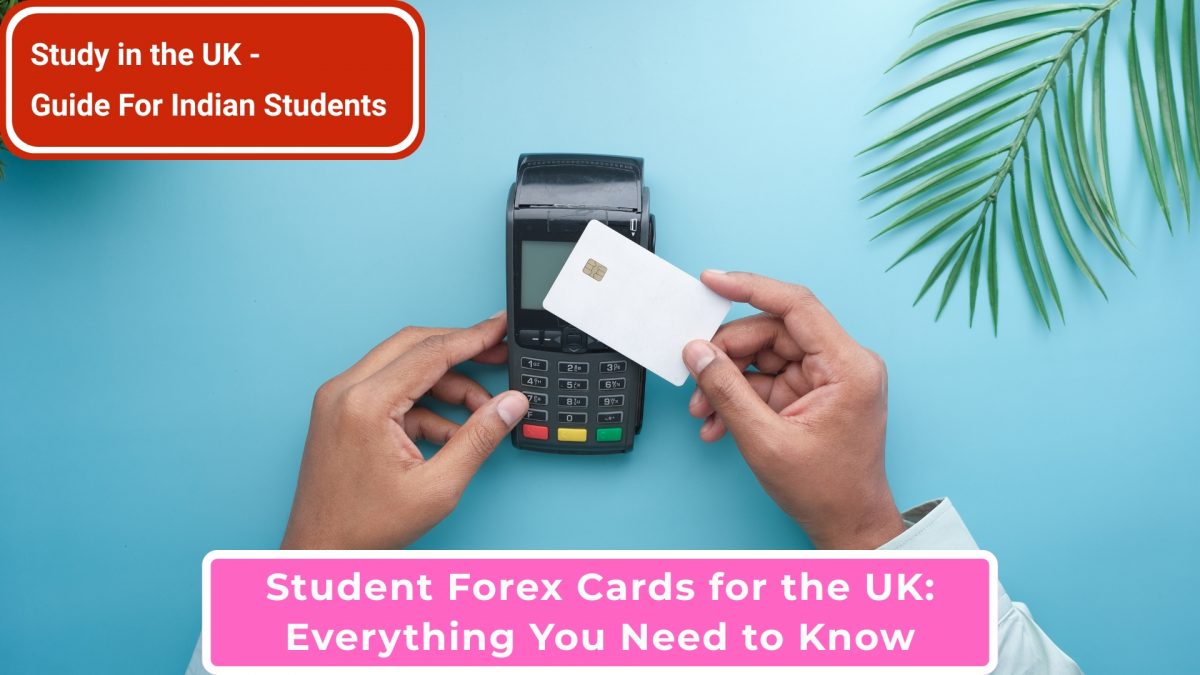
A forex card is a prepaid international travel card that allows you to load foreign currency before travelling abroad.
It works similarly to a debit card, but it is specifically designed for international transactions.
Students can use forex cards to:
- Make payments internationally
- Withdraw money from ATMs in the UK
- Pay for shopping and transport
- Manage expenses securely abroad
- Lock exchange rates before travelling
One of the biggest advantages of forex cards is that they help students avoid repeated currency conversion charges every time they make an international payment.
This becomes extremely useful during the first few weeks before your UK bank account becomes fully operational.
Know more: How to Open a Bank Account in UK for Indian Students
Best Forex Card Options for Indian Students in 2026
There is no single forex card that works perfectly for every student.
The right option depends on:
- Exchange rates
- ATM withdrawal fees
- Reload flexibility
- International acceptance
- Customer support quality
- Ease of managing the card online
Some commonly used forex solutions among Indian students include:
- ICICI Bank Forex solutions
- IndusInd Bank Forex cards
- YES Bank Travel cards
Students should always compare features properly before making a decision instead of choosing the first available option.

Why Forex Planning Matters So Much for International Students
Most students focus heavily on tuition fees while preparing for the UK. But daily financial management becomes equally important once you actually arrive.
Students often spend a large amount during their first month abroad on:
- Accommodation deposits
- Grocery shopping
- Public transport
- Kitchen essentials
- SIM cards and internet
- University registration expenses
- Local travel and setup costs
Without proper forex planning, these expenses become much harder to manage.
Many students also underestimate how quickly international banking charges add up. A small foreign transaction fee may not feel important initially, but repeated charges across multiple payments slowly increase your total expenses.
This is why students who prepare their forex strategy early usually settle much more comfortably into student life.
Explore: Student Accommodation in UK: Complete Housing Guide (2026)
Quick Forex Planning Checklist for Students
Before travelling to the UK, you should:
- Choose a forex card with low international charges
- Compare exchange rates across banks and providers
- Carry a mix of prepaid forex balance and local currency
- Plan your first 2–4 weeks of expenses carefully
- Keep backup payment options ready
- Understand ATM withdrawal charges abroad
- Learn how international transactions work
- Inform your bank about international travel if needed
These small preparations help students avoid panic during their first few weeks abroad. Financial planning becomes especially important because the initial adjustment period in the UK is often more expensive than students expect.

Why Using Only an Indian Debit Card Can Become Expensive
Many students initially think that using their regular Indian debit card internationally will be simpler.
But once they begin spending abroad, they quickly realise how costly it becomes.
Hidden Charges Students Often Ignore
International debit card usage may involve:
- Foreign transaction fees
- Currency conversion charges
- ATM withdrawal fees
- Dynamic exchange rate fluctuations
- International processing costs
Even small charges repeated across multiple transactions can increase your monthly expenses significantly.
For students already managing rent, groceries, travel, and university costs, avoiding unnecessary banking fees becomes very important.
Transaction Failures Can Also Create Problems
Sometimes Indian debit cards may:
- Decline international payments
- Face transaction limits
- Require additional activation for overseas use
- Trigger fraud protection blocks
This can create unnecessary stress, especially during your first few days abroad when you are still adjusting to everything.
Forex cards reduce many of these issues because they are designed specifically for international travel and overseas spending.
Why Forex Cards Make Life Easier for Students
Forex cards are popular among international students because they combine convenience, security, and budgeting support.
1. You Can Lock Exchange Rates Early
Currency exchange rates change constantly.
When students load money into a forex card earlier, they may secure a more favourable exchange rate instead of converting money repeatedly later at unpredictable rates.
Over time, this can help students save a noticeable amount.
2. Better Budget Management
One underrated benefit of forex cards is budgeting discipline.
Because forex cards are prepaid, students naturally become more aware of how much they are spending. This helps many students control unnecessary expenses during their first few months abroad.
3. Safer Than Carrying Large Amounts of Cash
Carrying excessive cash internationally is risky and inconvenient.
A forex card allows students to:
- Access money securely
- Withdraw cash only when necessary
- Reduce the risk of carrying large amounts of currency
- Make digital payments easily
This makes everyday spending much smoother after arrival.
What Students Should Compare Before Choosing a Forex Card
Exchange Rates
Even a small difference in exchange rates affects your total spending over time.
Students transferring large amounts for tuition fees or living expenses should compare rates carefully before loading money.
Reload Charges
Some providers charge extra every time students reload money internationally.
This becomes important for students planning long-term studies because multiple reloads are usually necessary during the academic year.
ATM Withdrawal Fees
Many students forget to check ATM charges before travelling.
International withdrawals may involve:
- Fixed transaction fees
- Percentage-based withdrawal costs
- Additional ATM provider charges
Understanding these fees early helps students avoid unnecessary losses later.
H3: Multi-Currency Support
Some forex cards allow students to hold multiple currencies.
This becomes useful if students plan to travel across Europe during holidays or semester breaks.
How Much Money Should Students Carry Initially?
One of the most common concerns students have before departure is how much money they should carry to the UK.
There is no single perfect amount because expenses vary depending on the following:
- Accommodation type
- City of study
- Personal lifestyle
- University requirements
- Initial deposits and setup costs
However, students should realistically prepare for:
- Accommodation deposits
- First month’s expenses
- Grocery shopping
- Public transport
- Local setup expenses
Most students manage comfortably with a combination of:
- Forex card balance
- Small amount of UK currency
- Backup savings or international transfer support
Carrying excessive cash is usually unnecessary and unsafe.
Smart Money Management Tips for Your First Few Weeks
1. Use Your Forex Card for Daily Spending Initially
Until your UK bank account becomes active, your forex card will help you manage daily expenses like:
- Groceries
- Public transport
- Food
- Local shopping
- Emergency purchases
This makes the transition period much smoother financially.
2. Track Your Expenses From Day One
Many students overspend unintentionally during their first month abroad because everything feels new and exciting.
Tracking your spending early helps you:
- Understand your monthly budget
- Control unnecessary expenses
- Adjust your spending habits quickly
Students who build budgeting habits early usually manage financial stress much better later.
3. Avoid Frequent Currency Conversions
Repeatedly converting small amounts of money can increase costs over time.
Instead, students should plan transfers strategically and monitor exchange rates properly before reloading funds.
Common Forex Mistakes Students Make
Every year, students repeat the same avoidable financial mistakes.
Some of the most common include:
- Ignoring exchange rate comparisons
- Depending completely on Indian debit cards
- Carrying too much cash
- Not checking ATM charges
- Delaying forex planning until the last minute
- Forgetting backup payment options
Most of these problems can be avoided with early research and proper preparation.
How Career Launcher Study Abroad Helps Students Plan Better
Financial planning is one of the most important parts of studying abroad, yet many students feel confused about forex cards, fund transfers, budgeting, and international banking.
With Career Launcher Study Abroad, students can receive guidance on:
- Forex planning
- International fund transfers
- Budget preparation
- Accommodation planning
- Visa processes
- Pre-departure support
When finances, travel, accommodation, and university planning are aligned together, students feel far more prepared before departure.
Final Thoughts
Managing money abroad is not just about carrying a card or exchanging currency. It is about preparing yourself financially for an entirely new phase of life.
Students who choose the right forex card, understand international banking charges, compare exchange rates carefully, and build good budgeting habits usually adjust much faster in the UK.
More importantly, proper forex planning gives you peace of mind during a time when everything around you already feels unfamiliar and overwhelming.
Because when your finances are organised properly, you stop worrying constantly about transactions, charges, and spending mistakes and start focusing on building your new life, education, and future in the UK with confidence.
Embrace Forex and Eliminate Financial Worries While Studying Abroad
Get personalised guidance on CV building, applications, and career strategy with Career Launcher Study Abroad experts.
Recommended Reads
- What to Pack for the UK: The Ultimate Checklist for Indian Students (2026)
- Cost of Living in the UK for Indian Students
- UK Student Visa Guide (2026)
- Student Accommodation in the UK: Complete Guide
- How to Open a Bank Account in UK for Indian Students (2026 Guide)
FAQs
Which forex card is best for Indian students going to the UK?
The best forex card depends on your spending habits, exchange rates, ATM withdrawal fees, reload flexibility, and international acceptance. Many Indian students compare options from ICICI Bank, IndusInd Bank, and YES Bank before choosing a suitable forex solution for studying abroad.
Is a forex card better than an Indian debit card in the UK?
In most cases, yes. Forex cards are specifically designed for international use and usually offer better exchange rates, lower foreign transaction charges, and easier international spending compared to regular Indian debit cards. They also help students avoid repeated currency conversion costs.
How much money should students load into a forex card initially?
Students should ideally load enough money to cover their first 2–4 weeks of expenses in the UK. This may include accommodation deposits, groceries, local transport, food, and basic setup costs. The exact amount depends on the city, accommodation type, and personal lifestyle.
Can students withdraw cash in the UK using a forex card?
Yes, forex cards allow students to withdraw cash from ATMs in the UK. However, students should check ATM withdrawal fees, international transaction charges, and withdrawal limits before using the card frequently for cash withdrawals.
Can a forex card be reloaded from India while studying in the UK?
Yes, most forex cards allow parents or guardians in India to reload funds digitally while the student is abroad. This makes it easier for students to manage expenses during their studies without carrying excessive cash.
Should students carry cash along with a forex card?
Yes, students should carry a small amount of UK currency for immediate expenses after arrival, such as transport, food, or emergencies. However, carrying too much cash is not recommended. A combination of forex card balance, limited cash, and backup funds usually works best.
Are forex cards accepted everywhere in the UK?
Forex cards are accepted at most places that support international card payments, including supermarkets, restaurants, public transport systems, and retail stores. However, students should still keep backup payment options available in case of technical issues or payment restrictions.
When should students apply for a forex card before travelling?
Students should ideally arrange their forex card a few weeks before departure. This gives enough time to compare exchange rates, understand card features, load funds properly, and avoid last-minute financial stress before travelling to the UK.