You think packing is just about putting things in a suitcase until you actually start doing it and realise you’re making decisions about an entirely new life. Suddenly, every item feels important, every “what if” feels real, and your suitcase starts looking like it’s carrying your entire comfort zone with it. Here’s the good news. You don’t need to get everything right. You just need to get the important things right. This is not just another checklist. This is your practical, slightly honest, and actually helpful guide to what to pack for the UK, built for Indian students who want to feel prepared without overpacking.
If you’re still figuring things out, you can explore this Complete Guide to Studying in the UK for Indian Students (2026) to understand the entire journey from applications to arrival.
Table of Contents
Want Personalised Guidance for Your UK Journey?
Book a free 1:1 session with a Career Launcher UK expert and get clarity on your next steps, from applications to arrival.
The Golden Rule of Packing (That Saves You Every Time)
If you remember just one thing from this guide, let it be this:
“If it’s heavy, bulky, or easily available in the UK… don’t pack it.”
Moving to the UK is exciting, but packing for it can feel overwhelming because you are trying to prepare for the weather you haven’t experienced, routines you haven’t built yet, and a lifestyle that is about to change completely.
The easiest way to approach this is to stop thinking in terms of “what if I need this” and start thinking in terms of “what will I definitely use in my first few weeks”. That shift alone will save you space, money, and unnecessary stress.
The smartest students don’t pack more. They pack better.
What to Pack for the UK: Ultimate Category-Wise Checklist for Indian Students (2026)
If you’re unsure what to pack for the UK as an Indian student, this complete checklist simplifies everything for you. Instead of over-packing or missing essentials, you can follow this structured list and travel stress-free.
| Category | Required Items to Pack | What You Actually Need | Note |
|---|---|---|---|
| Documents | Travel, University, Financial, Academic, Accommodation, Health & Insurance | Passport, student visa, flight tickets, CAS letter, offer letter, transcripts, IELTS/PTE scores, bank statements, tuition fee receipts, accommodation proof/rental agreement, health insurance papers | Keep originals in a cabin bag, carry 2 copies, and store scanned versions on the cloud |
| Clothing | Daily Wear, Formal Wear, Ethnic Wear, Winter Wear, Footwear, Essentials | T-shirts, shirts, jeans, trousers, formal shirts, blazer, ethnic outfits, thermals, jacket, sweaters, shoes, slippers, socks, undergarments, nightwear, umbrella, raincoat, woollen cap, scarves, muffler | Pack for layering, not volume. Buy heavy winter wear in the UK |
| Electronics | Study Gadgets, Mobile & Communication, Adapters & Converters, Accessories, Backup Devices | Laptop, smartphone, power bank, headphones, USB drives, hard drive, UK plug adapter, extension board, portable chargers, cables, universal converter, memory card | Carry all expensive electronics in cabin luggage Do not carry heavy items like an iron or a hair dryer |
| Medicines | Prescription Medicines, Pain Relief, Cold & Flu, Digestion, Allergy Care, First-Aid Kit | Doctor-prescribed meds, paracetamol, ibuprofen, cough syrup, lozenges, antacids, ORS, antihistamines, band-aids, antiseptic cream, and a thermometer | Carry prescriptions and keep medicines in original packaging |
| Toiletries | Basics, Skincare, Haircare, Hygiene, Extras | Toothbrush, toothpaste, shampoo, conditioner, soap, face wash, moisturiser, deodorant, razor/shaving kit, sanitary products, sunscreen, wet wipes, hair oil, comb, nail cutter, cotton swabs | Keep liquids under 100 ml in cabin luggage |
| Kitchen Essentials | Cooking Utensils, Storage, Indian Spices, Ready-to-Eat, Snacks, Cleaning | Small pressure cooker, pan, spatula, lunch box, plates, bowls, basic spices, instant food, tea/coffee sachets, snacks, scrubber, dish soap, cleaning cloth | Avoid heavy utensils and open food packets |
| Financial Essentials | Currency & Cards, Bank Documents, Financial Proofs, Online Access, Emergency Funds | £500–£800 cash, forex card, debit card, PAN card, bank statements, scholarship letters, net banking access, emergency funds, fee receipts | Avoid carrying excess cash. Use cards for most payments |
| Travel Essentials | Comfort & Safety, Luggage Accessories, Personal Carry Items | Neck pillow, luggage locks, document pouch, waterproof covers, cabin backpack | Keep documents easily accessible during travel |
| Bedding (Short-Term) | Sleeping Essentials | Bedsheet, pillow cover, light blanket | Useful for first 1–2 nights after arrival |
| Stationery | Study Supplies | Notebooks, pens, highlighters, folders | Helps you start classes without delay |
| Utility Items | Daily Use Essentials | Scissors, padlocks, ziplock bags, laundry bag | Pack scissors in check-in luggage only |
| Reusable Items | Eco-Friendly Essentials | Water bottle, foldable shopping bag | Saves money and is widely used in the UK |
| Photos & ID | Identification Support | Passport-size photos (8–10 copies) | Required for ID cards and registrations |
| Backup & Security | Data & Emergency Prep | USB with documents, printed emergency contacts | Don’t rely only on your phone |
| Cleaning Kit | Basic Cleaning Supplies | Cloth, surface cleaner, trash bags | Carry small quantities for initial use |
| Connectivity | Network & Communication | International roaming or UK SIM | Ensure internet access immediately after landing |
| Day-to-Day Carry | Daily Use Bag | Lightweight backpack | Useful for university and daily travel |
This table doesn’t just tell you what to pack. It tells you how to think while packing. That’s what actually prevents mistakes.
Now let’s break everything down in a way that actually makes sense.
Start Here: Pack for 2 Weeks, Not 2 Years
Before you even touch your suitcase, pause for a second and reset your mindset.
You are not packing for your entire course duration. You are packing for your first two to three weeks in the UK. After that, you will figure out your routine, discover nearby stores, and buy what you actually need.
Most accommodations offer laundry, cities have everything available, and online delivery is fast and reliable. So instead of filling your bag with backup items, focus on building a small, flexible set of essentials that you can rewear, reuse, and adapt.
Think in terms of outfits that work together, not individual clothes. Think in terms of essentials, not “just in case.”
Documents: The Only Category You Cannot Afford to Get Wrong

Let’s get the serious part out of the way first because this is where mistakes are not forgiven.
Your travel documents are the foundation of your entire journey, and missing even one important paper can create unnecessary stress at immigration or university registration.
You need to carry:
- Your passport with a valid visa,
- Your CAS letter,
- University offer letter,
- Academic transcripts,
- Accommodation confirmation, and
- Financial proof.
Along with these, your travel insurance documents are equally important because they act as your safety net in a new country.
Now here’s what many students overlook. It is not enough to just carry the originals. You should also keep at least two photocopies of every document in a separate folder, and store scanned versions on your phone or a cloud platform like Google Drive.
Keeping everything organised in a waterproof folder inside your cabin bag is not just a suggestion. It is one of those small decisions that can make your airport experience smooth and stress-free.
Tip: Keep a separate document folder in your backpack for easy access at immigration.
If you’re still unsure about what documents are required or how to prepare them correctly, you can refer to the Complete UK Application Document Checklist.
Clothing: Where Smart Packing Makes All the Difference
Clothing is where most students overpack, and honestly, it’s understandable. You’re moving to a country known for cold weather, so the instinct is to carry as much as possible.
But the UK does not reward heavy packing. It rewards smart layering.
Instead of carrying bulky outfits, focus on clothes that you can mix and match easily:
- A set of seven to ten tops, including a combination of T-shirts, shirts, and long-sleeve options, paired with three to four comfortable jeans or trousers, is more than enough to get you through your first few weeks.
- You should also carry one smart outfit because there will be moments like presentations, part-time job interviews, or formal university events where you’ll need to dress accordingly.
When it comes to winter, this is where students often make the wrong choice. Carrying one decent jacket from India is fine, but investing in heavy winter jackets and proper winter clothing once you reach the UK is a better idea because they are designed for local conditions and often more effective.
The one item you absolutely should not skip is a good waterproof jacket because rain in the UK is not occasional; it is part of everyday life. Pair that with a compact umbrella, and you’re already ahead of most first-time students.
Tip: Avoid overpacking. You’ll end up shopping more once you settle in.
Once you settle in, your lifestyle and daily routine will shape what you actually wear, which is why understanding your university and city matters. If you haven’t finalised that yet, this guide on How to Shortlist UK Universities: A Step-by-Step Framework can help you make a smarter decision.
Footwear: The Most Underrated Decision You’ll Make
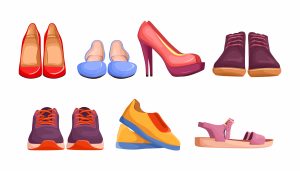
No one really talks about this enough, but your footwear can genuinely impact your daily life in the UK.
You will walk more than you expect, whether it is commuting to university, exploring the city, or just running errands. That is why investing in comfortable walking shoes is one of the smartest decisions you can make.
Carrying one extra pair is always a good idea because rain can be unpredictable, and having a backup ensures you are not stuck with wet shoes the next day. A simple pair of slippers or flip-flops is also useful for hostel or accommodation use, especially during your initial days.
Electronics: Your Everyday Lifeline

Your devices are not just accessories anymore. They are your connection to everything, from academics to navigation to communication.
Carrying your laptop, smartphone, and essential accessories like headphones is obvious, but what many students forget is planning for power and compatibility.
The UK uses a different plug type, so having the right plug adapters is essential if you want to avoid the frustration of not being able to charge your devices. A power bank also becomes incredibly useful during long travel days or when you are out exploring and relying heavily on your phone.
Keeping all your electronics in your cabin bag is not just about convenience; it is about safety. This is where you keep the things you cannot afford to lose.
Tip: Carry at least 2 good-quality UK adapters
Staying connected is important not just for daily life but also for your academics. If you’re still preparing for admissions, you might find this helpful: IELTS vs TOEFL vs PTE – Which Is Best for the UK?
Toiletries and Personal Care: Keep It Light and Practical

When it comes to toiletries and personal care, less is more.
You only need enough to get through your first one to two weeks. Think of items like:
- your toothbrush,
- toothpaste,
- shampoo,
- deodorant, and
- basic skincare products.
Carrying them in travel-sized containers saves space and avoids unnecessary weight.
The UK has plenty of stores where you can easily find everything you need, often at similar or even better prices, so there is no need to carry full-sized bottles or stock up excessively.
Medicines: Your Quiet Backup Plan

Health is one area where being prepared makes a real difference.
Carrying your prescribed medicines along with a doctor’s note is essential, especially if you are on long-term medication. In addition to that, having basic medicines for fever, cold, allergies, and digestion can save you from unnecessary stress during your initial days.
A small aid kit with essentials like Band-Aids and antiseptic cream is one of those things you may not use often, but when you need it, you will be glad you packed it.
Tip: Don’t overstock. Carry only what you need for the initial months.
Kitchen Essentials: A Little Comfort Goes a Long Way

Food has a way of making a new place feel familiar, especially during your first few days.
Carrying small quantities of basic spices, some ready-to-eat meals, and a few snacks can help you settle in more comfortably. It is not about recreating your entire kitchen but about giving yourself a sense of familiarity when everything else feels new.
Just make sure you avoid carrying liquids or large quantities because they add unnecessary weight and may not be allowed during travel.
Tip: Most kitchen items are cheap and easily available in the UK.
Your living situation will influence how much you actually cook, so it helps to understand your accommodation setup in advance.
Financial Essentials: Be Prepared from Day One

Money is something you do not want to figure out at the last minute.
Carrying a mix of cash and digital options is the best approach. Having around £500 to £800 in cash helps you manage your initial expenses, while forex cards and credit cards give you flexibility and security for larger transactions.
Keeping your financial documents organised is equally important because you may need them when opening a bank account or completing university formalities.
Tip: Keep emergency funds separate from your main account.
The Small Things That Make a Big Difference
There are a few items that may seem minor but can significantly improve your experience.
A reusable water bottle is useful because tap water in the UK is safe to drink, which saves money and is convenient.
- luggage lock,
- document pouch
- neck pillow
These items can make your travel smoother and more comfortable. These are the things that do not take much space but add a lot of value.
Tip: Pack a small “first-day kit” in your cabin bag.
At this stage, most students realise packing is just one part of a much bigger process. From university shortlisting to visa approvals and accommodation, every step matters.
Career Launcher’s study abroad experts can help you with:
- university applications,
- IELTS prep,
- education loans,
- visa assistance,
- forex services,
- accommodation support
Preparing for the UK Beyond Just Packing?
From university applications and visas to accommodation and forex, Career Launcher Study Abroad experts guide you through every step of your UK journey so you don’t miss anything important.
Quick Tips to Pack Smart for the UK
- You don’t need to pack your entire life, only your first 2–3 weeks, because once you settle in, you’ll quickly figure out what you actually use and what was just “panic packing”.
- Keep your documents, electronics, and valuables in your cabin luggage, so even if your check-in bag decides to go on its own adventure, you’re still sorted.
- Stick to airline limits, because nothing ruins your airport mood faster than repacking your suitcase on the floor while everyone watches.
- If you can buy it easily in the UK, don’t pack it from India, especially things like toiletries, utensils, or bulky items that just eat up space.
- Use packing cubes or vacuum bags, not just to save space but to avoid that “everything exploded in my suitcase” moment when you unpack.
- Pack outfits that work together instead of random pieces so you’re not staring at your clothes thinking you have “nothing to wear”.
- Always leave a little extra space in your suitcase, because you will shop, and your future self will thank you for that decision.
If you’re still planning your timeline, understanding when to apply is just as important as what to pack.
Then also read: UK Intakes Explained: January vs September vs May | UK Application Deadlines & Timeline (2026 Intake)
What You Should Definitely NOT Pack
- Don’t carry heavy utensils thinking you’ll cook daily from day one, because most of the time you’ll either eat simple meals or buy what you need there.
- Avoid packing bulk food items, since they add weight, take up space, and are easily available in UK stores anyway.
- Skip excessive clothing, because you’ll end up wearing the same comfortable outfits on repeat while the rest just sits there.
- Don’t carry large liquid bottles, as they are messy, heavy, and unnecessary when you can get travel-friendly options easily.
- Avoid duplicate items like extra chargers, extra shoes, or “backup for backup” because they rarely get used.
- Leave expensive or sentimental valuables at home unless absolutely necessary, because peace of mind is more valuable than carrying them.
- Don’t pack things you might need; pack things you know you will use, because there’s a big difference.

Final Thought: You’re Not Just Packing a Suitcase
Right now, it feels like you’re just packing bags, but in reality, you’re getting ready to step into a completely new life.
You’re not just choosing clothes or gadgets; you’re choosing what will make your first days in a new country easier and more comfortable. It’s okay if everything isn’t perfect, because no one gets their packing 100% right the first time.
Focus on what truly matters, and let go of the pressure to carry “everything just in case”. Trust yourself a little more, because you’ll figure things out once you get there, just like every other student does.
Leave space in your suitcase not just for things you might buy but also for the experiences you’re about to have. And when you finally reach the UK and unpack in your new room, you’ll realise something simple but powerful: “You didn’t forget anything that truly matters.”
And while you’re preparing for this journey, remember that you don’t have to do it all alone. From choosing the right course and university to handling applications, visas, forex, and accommodation, having the right guidance can make everything smoother.
Ready to Start Your UK Journey with Confidence?
Get expert guidance on university applications, visas, accommodation, and pre-departure planning so you can focus on settling into your new life in the UK stress-free.
Recommended Reads
- Complete UK Application Document Checklist
- How to Shortlist UK Universities For Indian Students (2026)
- How to Apply to UK Universities: A Complete Step-by-Step Guide For Indian Students
- UK Application Deadlines & Timeline for 2027 Intake
FAQs
- How early should you start packing for the UK as an Indian student?
You should ideally start packing at least 3 to 4 weeks before your departure so you have enough time to organise documents, buy missing essentials, and avoid last-minute stress. Starting early also gives you time to weigh your luggage properly and adjust based on airline limits.
- What is the baggage allowance for students travelling from India to the UK?
Most airlines allow around 23 to 30 kg of check-in baggage and 7 to 10 kg of cabin luggage. However, this can vary depending on the airline and ticket type, so it is always better to check the official airline website before your travel date.
- Should you carry winter clothing from India or buy it in the UK?
You can carry basic winter essentials like thermals, but it is better to buy heavy winter jackets and proper winter clothing in the UK because they are designed for local weather conditions and are often more effective.
- What documents are mandatory to carry while travelling to the UK?
You must carry your passport with your visa, CAS letter, university offer letter, academic transcripts, financial proof, accommodation details, and travel insurance. It is also recommended to carry photocopies and digital backups of all documents.
- What type of plug adapter is required in the UK?
The UK uses Type G plug sockets with three rectangular pins, so you will need a UK plug adapter or a universal adapter to use your electronic devices.
- What should you keep in your cabin luggage?
Your cabin luggage should include important documents, electronics like your laptop and phone, valuables, a power bank, basic toiletries, and a change of clothes in case of delays or baggage issues.
- Can you buy everything after reaching the UK?
Yes, most items such as toiletries, winter clothing, kitchen essentials, and daily-use products are easily available in the UK. That is why it is better to pack light and buy additional items after you settle in.
- How many suitcases should I carry to the UK?
You should typically carry 1–2 check-in bags when you are travelling to the UK, depending on the airline’s allowance.